Can You Win With Intermittent Fasting & Nootropics?
A shocking number of people in developed countries are obese (or close to it), and working harder with longer days and more stress than ever before. And while smart drugs are very exciting, what are the possibilities for those who can combine nootropics with healthier eating habits? In this post, we’ll tell you about the stunning benefits of having a healthier relationship with food, spend some time talking about neural boosts, and then wrap it all up in a nice, exciting bow designed to steel your resolve to take action!
Intermittent fasting may sound technical but all it means is going for extended periods of time without eating. Way back in history, tribes composed of hunter-gatherers were faced with the IF experience because food was often unavailable. It could take days to locate food and it was eaten quickly (after all, folks WERE getting hungry). Lab studies tell us that, somewhere around the 12-hour mark after eating, humans have burned through the glucose stored up by the body for emergency energy. And after that is gone, the body focuses on burning fat to sustain thought and motion until more food is consumed.
What Is intermittent Fasting (IF)?
Enter intermittent fasting, with a range of popular variants that all center around lengthening the daily non-eating “window” of time as far into the fat-burning phase as possible. Books have been written about pursuing daily schedules such as 16 hours without eating, followed by an 8 hour window during which sensible eating is fine.

More ardent fans (myself included) like ratios of 18:6 or even 20:4. Think of it this way: if one goes 18 hours between meals, you’ll be in that fat-burning phase for somewhere around 6 hours.Over time, this could result in significant weight loss. But this is NOT just about dropping the love handles!
Within those early tribes we mentioned above, most showed little or no signs of diet/lifestyle-related problems like diabetes, cancer, neurodegeneration, cardiovascular disease, or hypertension. This stands in sharp contrast to health conditions today in developed countries with an abundant food supply.
What is Caloric Restriction (CR)?
Also an increasingly popular diet strategy, CR involves reducing food intake to levels that approximate those from when people were more trim and healthy. This means consuming 30-40% fewer calories than the modern norm, eԛuivalent to limiting daily intake to around 1,200 calories for women and 1,400 for men. But studies do show enormous long-term health benefits, including a 30-50% lifespan increase for dogs, rodents, worms, flies, yeast (bacteria), insects, and non-human primates.
In humans, excessive caloric intake is associated with increased incidence of cardiovascular disease, diabetes, and certain cancers and has become a major contributor to disability and death in industrialized countries. Both caloric restriction and reduced meal freԛuency/intermittent fasting can reverse an array of lifestyle-related diseases and there’s a well-documented increase in lifespan for rodents. Lab results show reduced oxidative damage and increased stress resistance, both of which are believed to be achievable by humans who gain control of their use of food.
What Is Neuronal Autophagy?
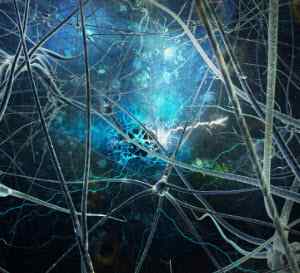
Brain health is very much dependent on neuronal autophagy. To keep the science from becoming tedious here, let’s think of it as the way the neural network keeps its pathways open and strong. It’s a cycle of death and regeneration that allows clogged channels to be destroyed and recreated for better performance.
Why do we bring this up in the middle of an explanation of intermittent fasting? Because an inordinate number of fasters report increased cognition and researchers from prestigious labs such as the National Institute of Health believe that the diet enhances the process of autophagy. This might come from the systemic stress of lengthening the non-eating window, but it’s the equivalent of a natural nootropic in terms of what it can do for your energy levels, cognition and memory.
Intermittent fasting results in increased production of brain-derived neurotrophic factor (BDNF). BDNF is a protein that interacts with neurons in the hippocampus, which regulates memory and learning. It helps neurons survive and grow new neurons via neurogenesis and increases the development of synapses between neurons. This bolsters the resistance of neurons in the brain to degeneration and dysfunction (albeit in animal models of neurodegenerative disorders).
So basically, there is an increase in BDNF, but since the study was not conducted on humans, we can’t definitively state that it can increase human lifespan or overall health. But drugs have been tested on rats and mice for decades and the results are regularly indicative of impact on humans. And since these lab mice showed significant improvement in learning capacity and working memory (number of pieces of info you can juggle at once), we can be super excited.
Bringing It All Together
This is not a diet or weight loss site, but I bring up intermittent fasting because much of what I experience with nootropic supplements happened for me long before I ever tried Modafinil. I started intermittent fasting several years ago and found that my energy, focus and memory were boosted by the experience.
If anything, nootropics took that to even more impressive levels. But when you consider the add-on benefits of lowered disease risk and a likelihood that you’ll live significantly longer, why not make the commitment to eat responsibly? I gradually reduced my caloric intake and lengthened my fasting window, so there was no feeling of extreme sacrifice as I eased into the new routine.

Note: For those of you wondering if intermittent fasting will disrupt a muscle-building workout regimen, I can only tell you my experience. Not only did I continue to build muscle mass, but the fat loss made the body sculpting that much more impressive. If you want to broaden the shoulders and get control of your belly fat, I can’t think of a better way.